

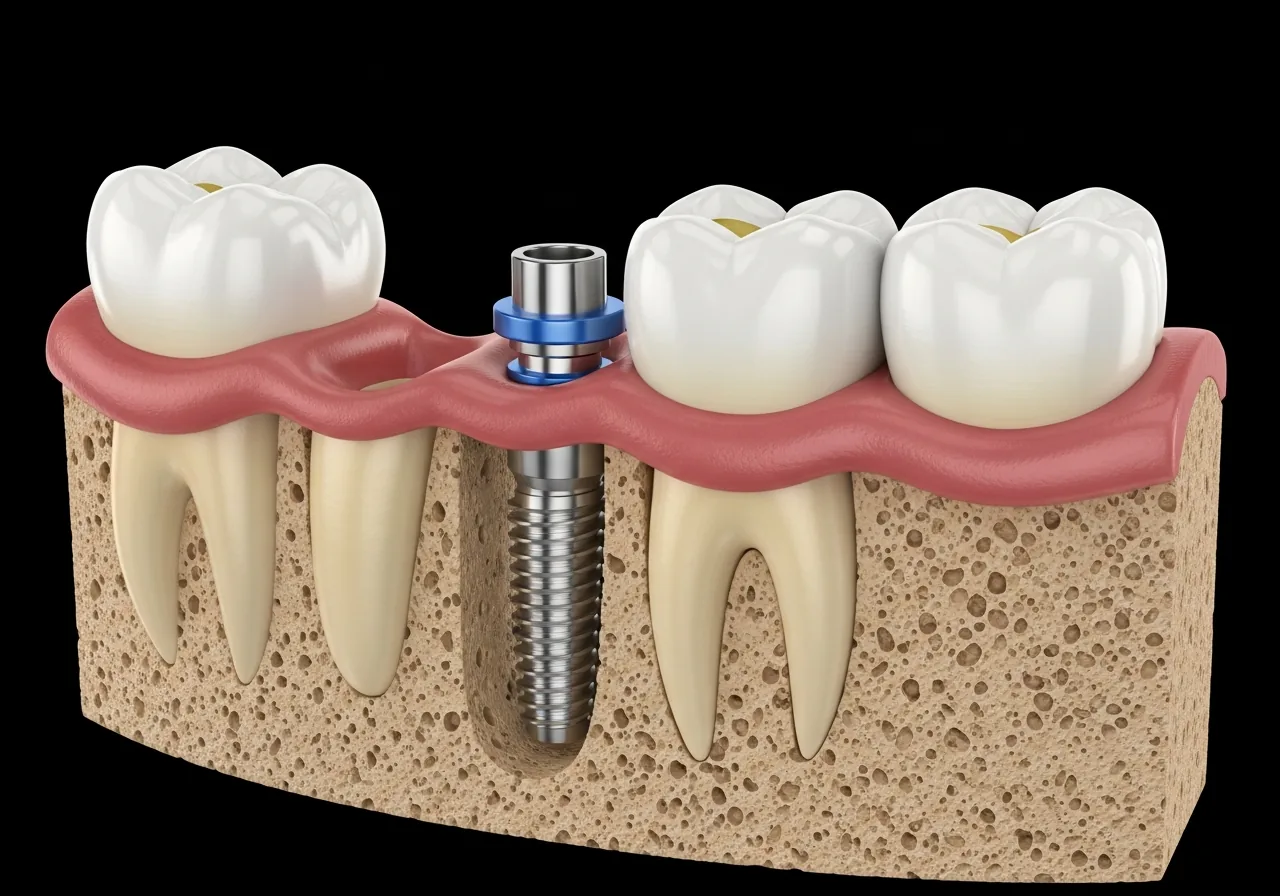
Autologous bone
The body's own bone is particularly well tolerated and is excellently suited for jaw augmentation.
For a dental implant to last permanently, it needs a stable bony foundation. If there isn't enough bone, bone-building and regenerative techniques can help.
Thanks to three-dimensional diagnostics, we determine precisely how much bone augmentation is needed even before implantation. Depending on the extent of the deficit, different techniques are used.
Which method is suitable depends on your individual starting situation.
The body's own bone is particularly well tolerated and is excellently suited for jaw augmentation.
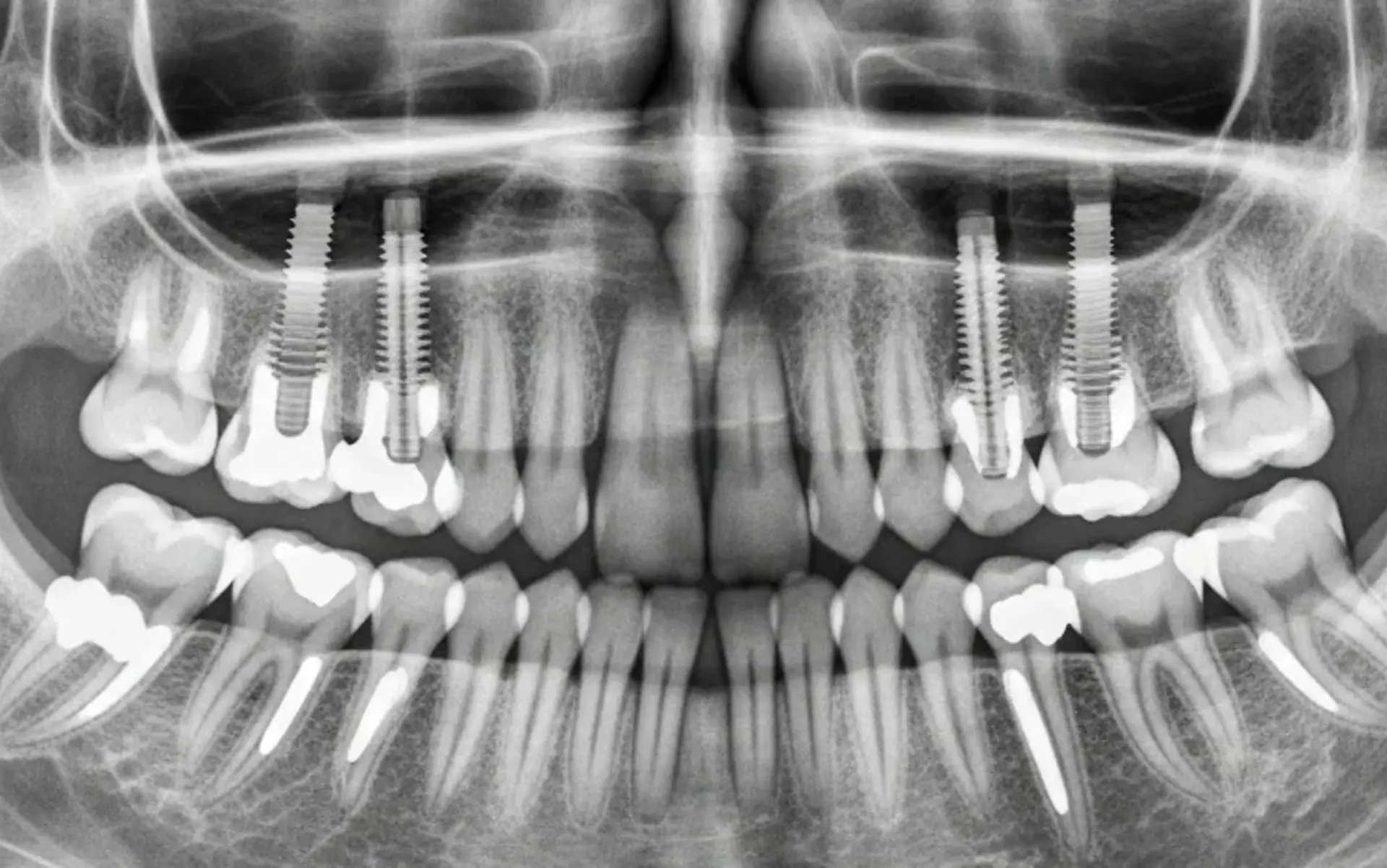
Proven substitute materials promote the jaw's own bone regeneration.
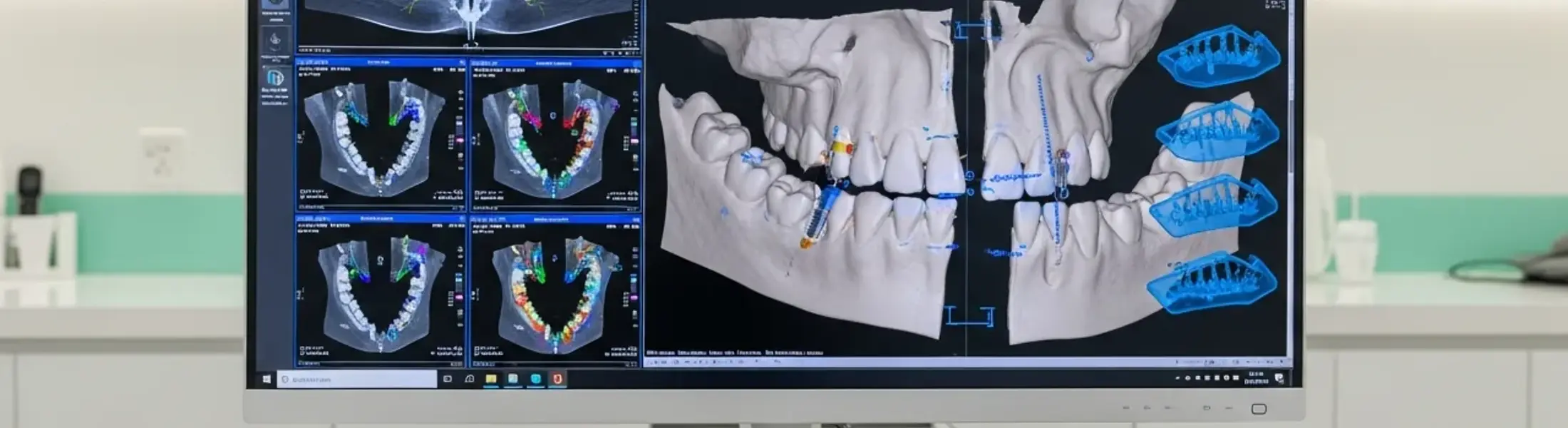
With a sinus lift, we specifically build up the jawbone in the posterior upper jaw area.
Smaller bone defects can often be compensated for with bone substitute material. Directly during implantation, we fill the affected area with it - often mixed with the patient's own bone chips.
In the case of larger bone deficits as well as jaw ridges that are too narrow or flat, or significantly resorbed jawbone, we rebuild the bone using the body's own tissue from the jaw area.
A special form of bone augmentation is raising the sinus floor, also known as a sinus lift or sinus floor augmentation.
In the posterior upper jaw, the maxillary sinus lies directly adjacent to the tooth-bearing jawbone. When teeth are lost there, the sinus often expands further towards the oral cavity - which frequently leaves insufficient bone for the secure anchoring of implants. In this case, we surgically raise the sinus floor and fill the resulting space between the bone and the raised membrane with the patient's own bone or bone substitute material. This creates sufficient volume again for stable implant anchoring.