

Periodontology

Periodontitis is one of the most common dental diseases - a bacterially caused inflammation of the periodontium that can lead to tooth loss over time. Early diagnosis and treatment are therefore all the more important.

Make an appointment(030) 333 111 90
Online AppointmentRequest online now

Frequently Asked Questions

How can you recognise early-stage periodontitis?
Typical signs are bleeding gums, red or swollen gums and sometimes unpleasant breath. We make a reliable diagnosis with a periodontal status measurement.
Can periodontitis lead to tooth loss?
If left untreated, advanced periodontitis can indeed lead to the loss of teeth, as it attacks the tooth-supporting structures. With timely treatment, this can often be prevented or slowed down.
Is periodontitis treatment painful?
Treatment is usually carried out under local anaesthetic and is generally well tolerated. Afterwards, the gums may be a little sensitive for a short time.

Initial therapy

Initial therapy

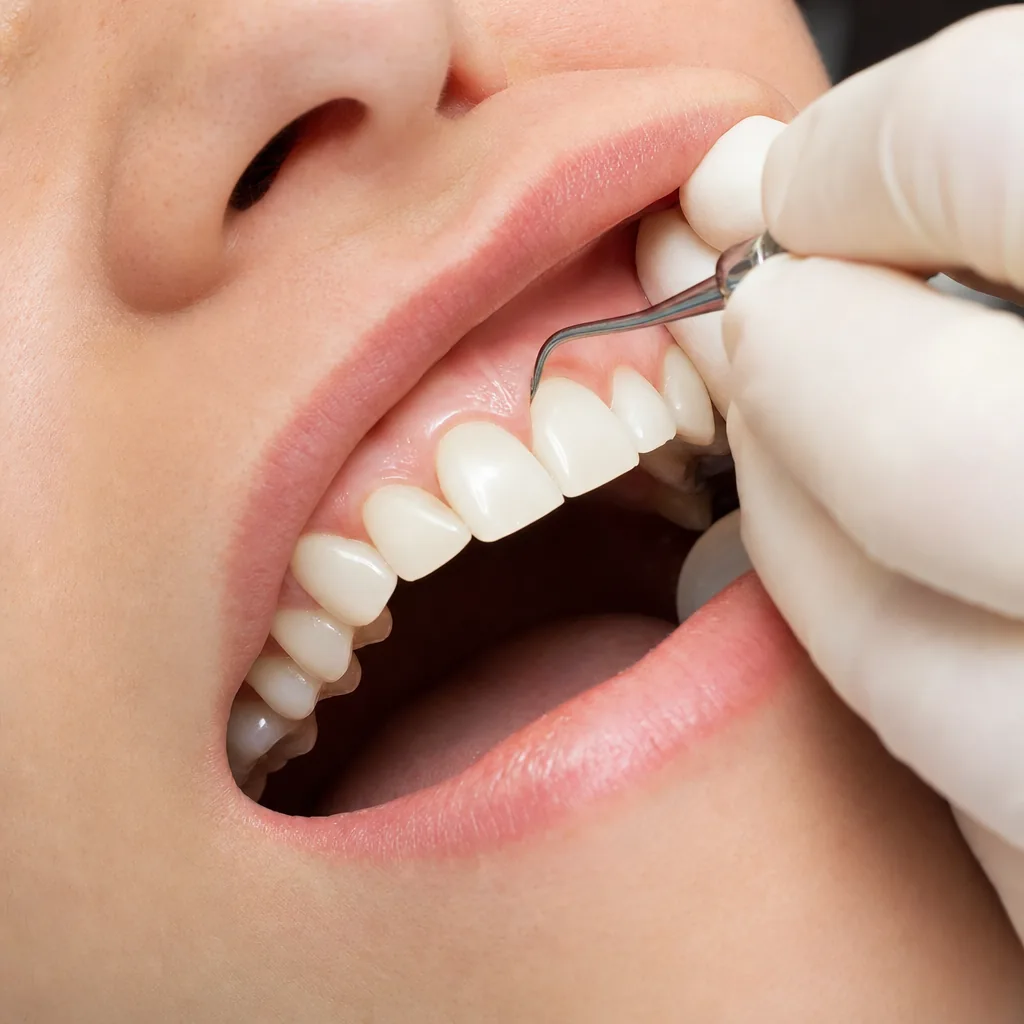
Gum treatment aims to eliminate germs and other triggers of the disease. To do this, we first thoroughly clean the periodontal pockets and root surfaces under local anaesthesia. Special instruments, such as ultrasonic devices, loosen stubborn deposits deep below the gumline and smooth the roots. Tissue-sparing, minimally invasive techniques also allow us to clean deeper periodontal pockets.

Antibiotics

The bacteria that trigger periodontitis spread throughout the entire oral cavity, all the way to the tonsils, where they can settle. Mechanical cleaning of the periodontal pockets therefore always removes only part - albeit an important part - of these pathogens. To prevent reinfection from remaining residual germs, we carry out a so-called pocket-germ analysis before starting treatment. We take samples from several periodontal pockets and have them analysed by DNA testing for the most important pathogen strains. We then support the mechanical periodontal treatment with a targeted antibiotic therapy, precisely tailored to the identified bacterial strains, in order to prevent a relapse.

Genetics ⁄ prognosis

Since periodontitis always arises from the interplay of bacterial infection and the individual immune response of the body, genetic factors also influence its course. Today we know that there are four different genetic patterns which, in the event of an infection, can lead to damage to the periodontium and bone at different speeds. This genetic risk can be determined via DNA analysis of a simple oral swab.

Even though the genetic predisposition only comes into play in the case of a bacterial periodontitis infection, an individual preventive strategy can be developed based on your personal genetic risk - even with an increased genetic risk, it can help avoid disease.
Gingivitis

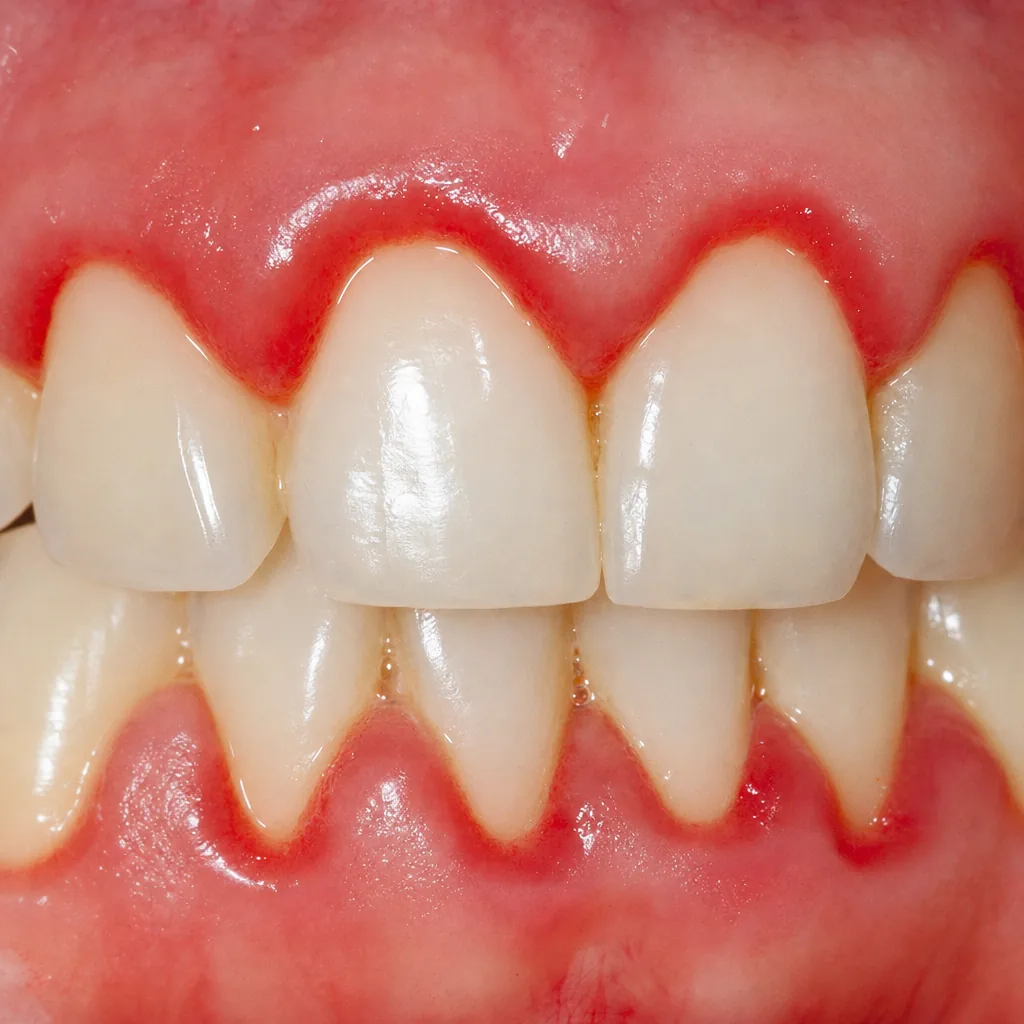
Gingivitis Gingivitis is an inflammatory change of the gums and is among the most common diseases overall - usually triggered by bacterial plaque that first settles between the teeth. Left untreated, it can precede periodontitis. Typical signs are reddened or swollen gums around the tooth neck, as well as bleeding when touched with an interdental brush or a dental probe.
Periodontitis

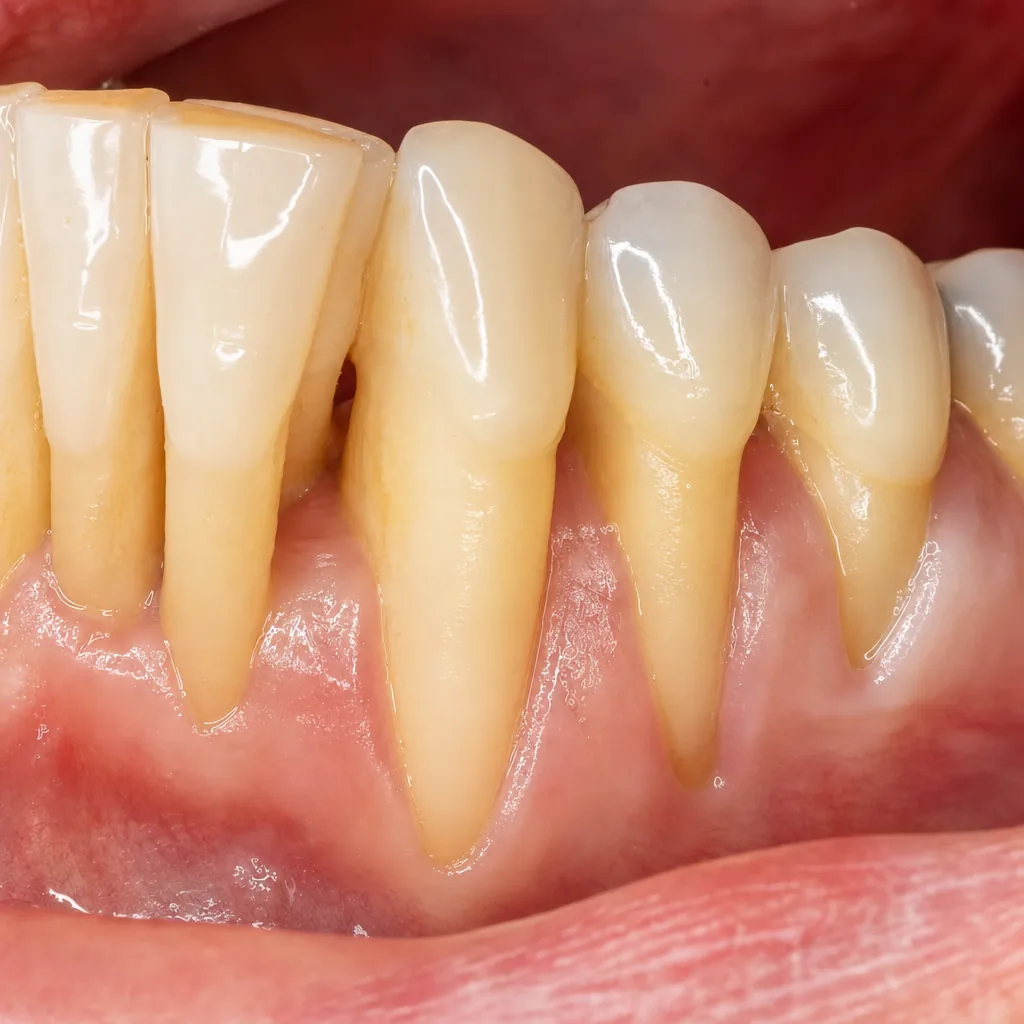
PeriodontitisPeriodontitis – in German everyday speech often, though medically incorrectly, also called "Parodontose" (periodontosis) – is an inflammatory disease of the periodontium, the tooth-supporting tissues. Genuine periodontosis, by contrast, does not take an inflammatory course. Periodontitis can occur at any age, may affect one or several teeth at the same time, and can progress at different speeds and to different degrees of severity.

Aftercare

To prevent a renewed outbreak of disease after treatment is complete, we look after our periodontitis patients as part of a structured preventive care programme. This includes regular dental check-ups as well as professional teeth cleaning by our trained practice team.

Periodontitis and smoking

The nicotine content in cigarette smoke narrows the blood vessels of the oral mucosa and thereby reduces its blood flow. In the event of an infection, this makes it harder for the body to transport defence cells to the pathogens. The result is a faster spread of the infection and thus a noticeably more rapid progression of periodontitis. Smoking therefore represents an additional risk factor, particularly for the course of the disease.

In addition, the reduced blood flow in the oral mucosa often masks the symptoms of gingivitis or periodontitis, since the otherwise typical tendency to bleed as an early warning sign is often absent in smokers.

Periodontitis transmission

Since periodontitis is a bacterial infectious disease, transmission via saliva is fundamentally possible. Whether such germ transmission actually leads to disease depends - as with other infectious diseases - on various accompanying circumstances. Besides the number and virulence of the transmitted bacteria and the individual's immune status, the presence of suitable refuges for the pathogens plays a particularly decisive role in periodontitis. The triggering bacteria belong to the group of gram-negative, anaerobic germs, meaning they thrive in the absence of oxygen. Accordingly, dental plaque in particular (which is barely penetrated by atmospheric oxygen) and deep periodontal pockets (where oxygen saturation decreases with increasing depth) raise the risk of infection.